
Master of Science in Environmental Change and Management | Oxford University
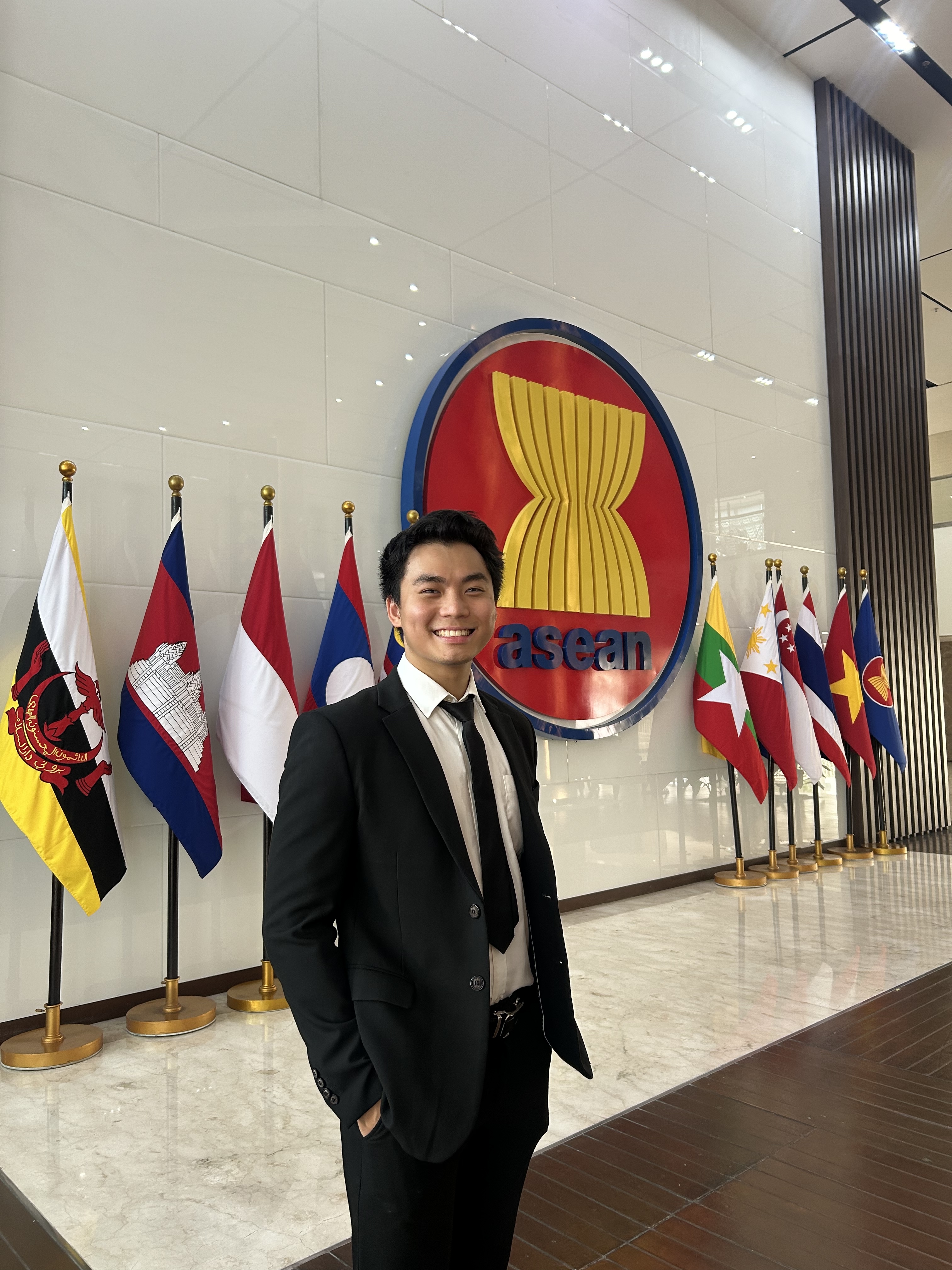
Environmental Changemaker: Turning Vision into Green Action
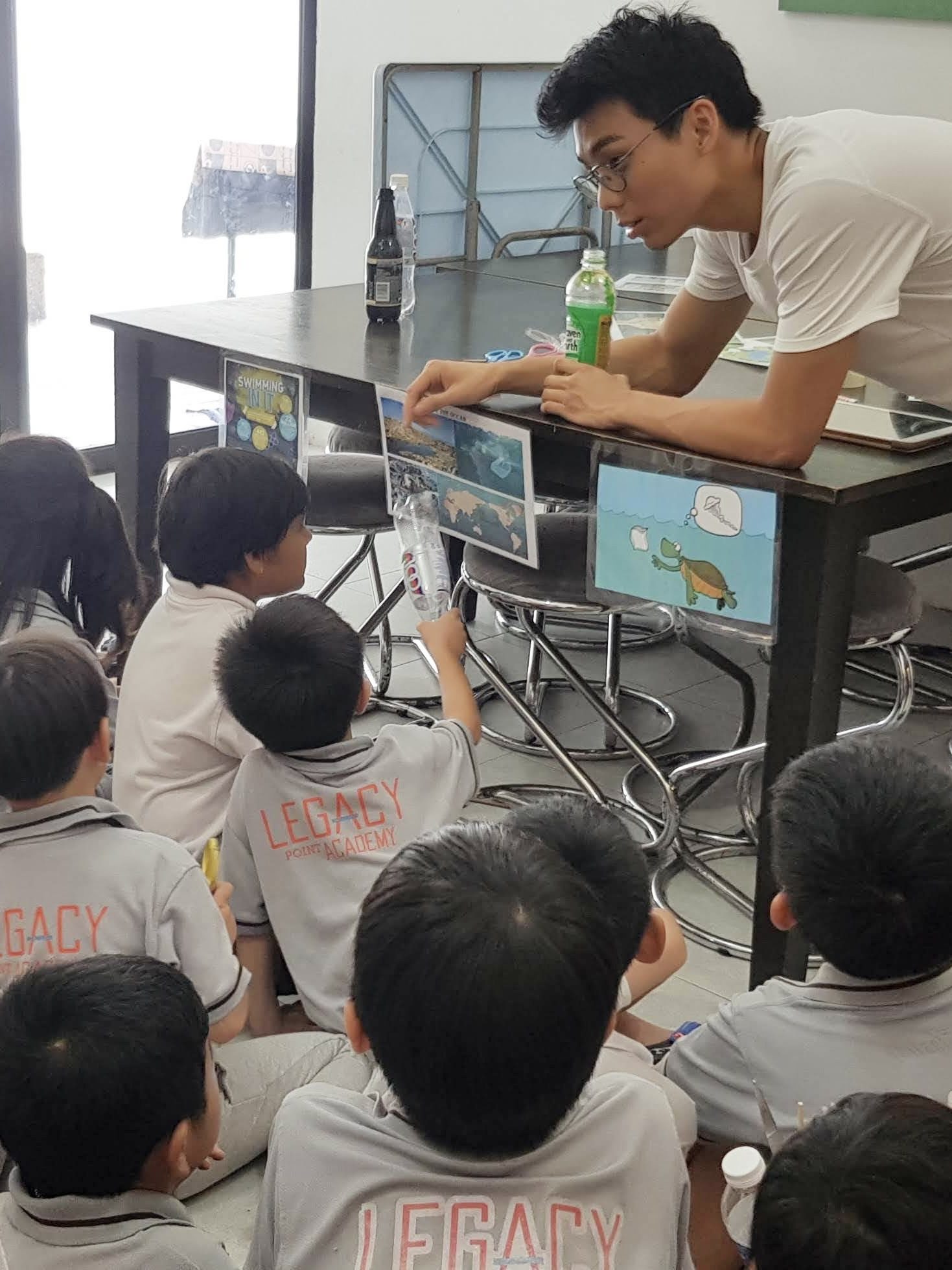
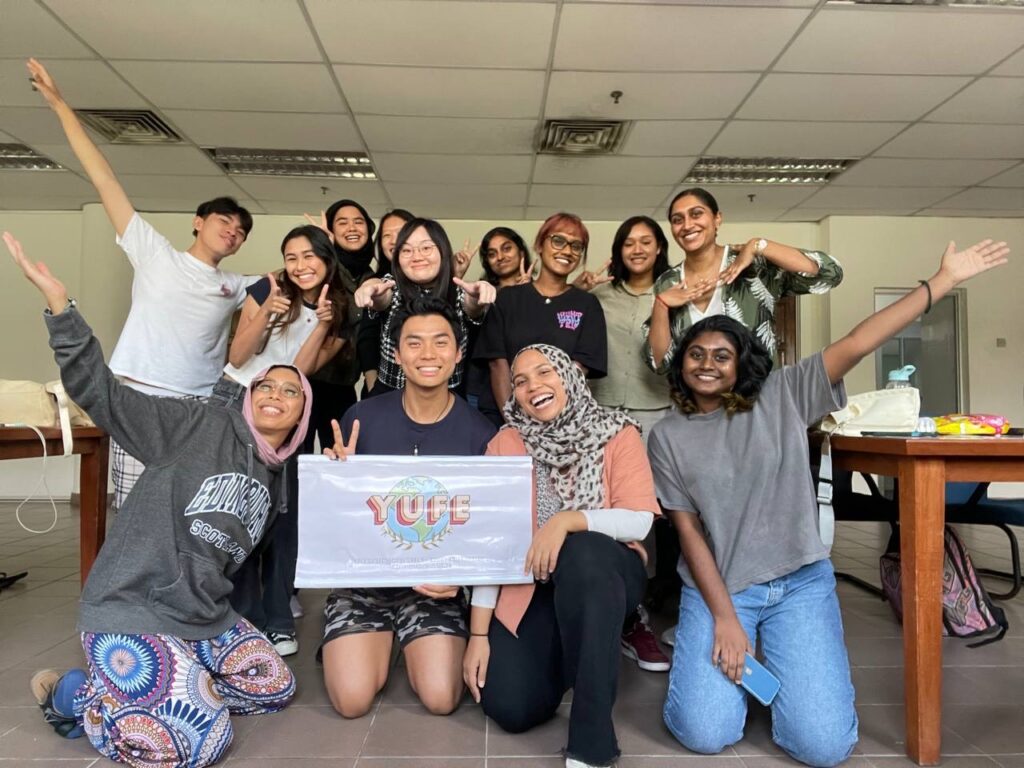
“I am the co-founder of Youths United for Earth (YUFE), an award-winning grassroots nonprofit mobilizing youths for environmental action through storytelling, campaigns, and advocacy. Since 2019, I have reached over 50,000 people by spearheading initiatives, including Malaysia’s first and largest youth sustainability mentorship. YUFE has since engaged UN agencies, the EU, the Central Bank of Malaysia, and now advises Malaysia’s Ministry of Natural Resources and Environmental Sustainability.
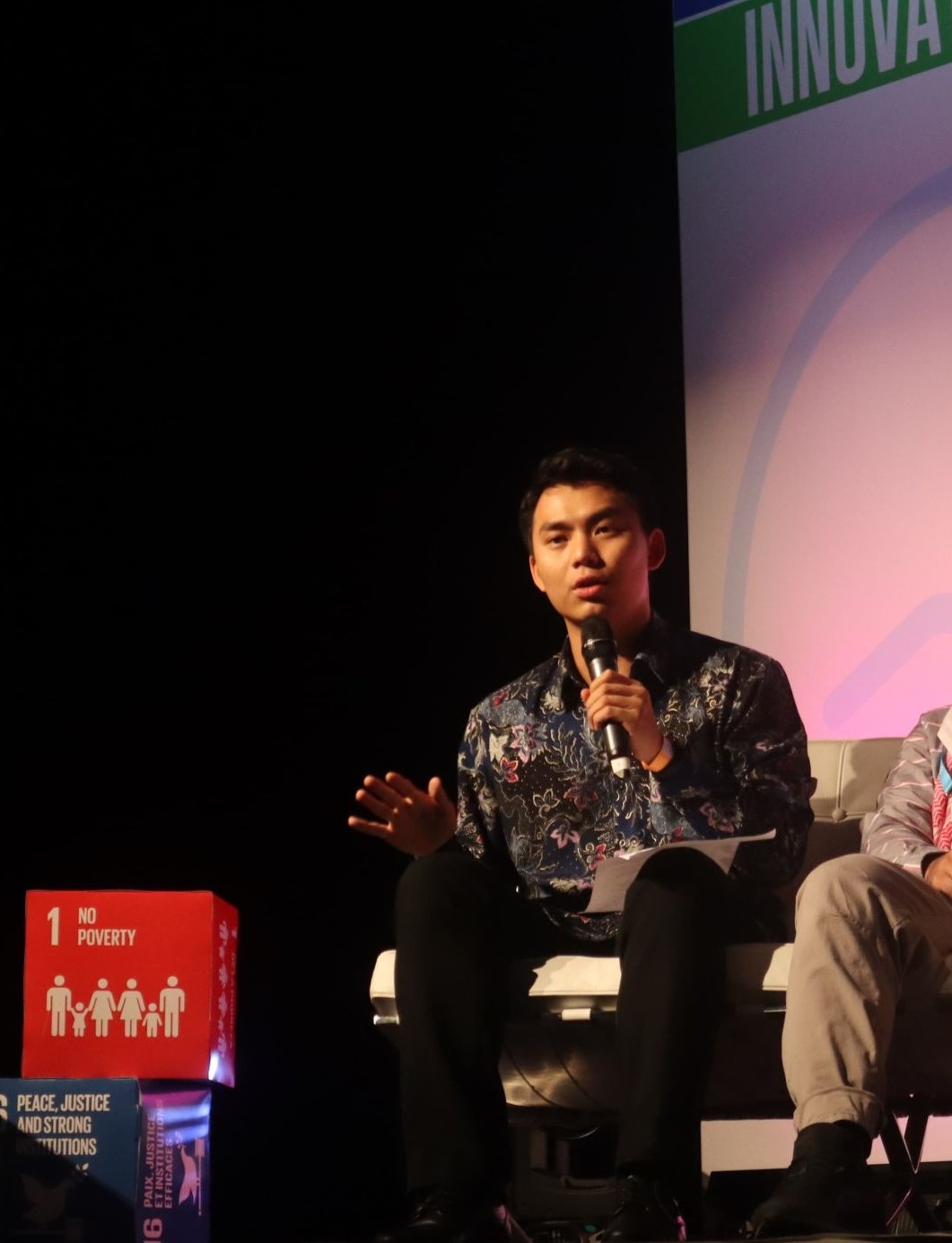
Internationally, I have advocated for environmental rights and climate justice at the UN Headquarters, UN Climate Change, ASEAN, Stanford University, Princeton University, One Young World, and more. As a scholar, I am a published chapter author of the book “Lala-land: Singapore’s Seafood Heritage.”
Currently, I am drafting Southeast Asia’s first Environmental Rights Declaration under the Association of Southeast Asian Nations (ASEAN) in collaboration with UN bodies, diplomats, and marginalized communities. Recognized for my work, I was personally awarded by the UN Messenger of Peace, Dr. Jane Goodall, and named by Prestige as one of Malaysia’s 40 most successful, innovative, and influential people. I have received the Princess Diana Award, Tatler’s Gen.T Leader of Tomorrow, and the North American Association for Environmental Education’s 30 Under 30. I am also the first Southeast Asian to be named a Future Nobel Laureate Scholar.“
Why you choose Environmental Change and Management?
“I chose this field because I’ve seen firsthand how climate change affects everything — from the air we breathe, to who gets to speak, to which communities are left behind. Running Youths United for Earth (YUFE) was a turning point, where I realized the climate crisis isn’t just about planting trees or renewables, but also about justice, voice, and systems.
What drew me in further is the interdisciplinary nature of environmental studies. It’s a STEM field — I work with climate science, emissions data, ecological systems, and technical reports — but science alone isn’t enough. My work pushes me to think critically across fields, connecting climate to race, gender, class, governance, and culture.
It’s about science, but also ethics. Systems, but also stories. I thrive at the intersection of hard science and social impact, of data and lived experience. I want to be someone who understands the technical side, and can also translate it, communicate it, and build just, lasting solutions.”
Any dream occupation, job, or company?
“Climate and Environmental Policymaking.”
Do you think Environmental Change and Management can help the community?
“Environmental studies is one of the most community-centered fields out there. Beyond climate models or academic theories, this field is fundamentally about people and our relationship with land and nature — how we live, how we care for each other, and how we sustain the planet we all share.
For me personally, my research focuses on reimagining development through the lens of Doughnut Economics — a model that balances ecological limits with social foundations. Right now, I’m comparing early implementation efforts in cities like Ipoh in Malaysia and Grenoble in France. My hope is that this work cab inform real policy decisions in Southeast Asia, where many cities are still early in their development trajectories. If we can embed sustainability and justice into our urban planning from the start, we don’t have to sacrifice our natural resources for relentless economic growth.
More broadly, I think environmental studies has the power to bridge knowledge and action. Whether it’s amplifying traditional knowledge, designing climate-resilient policies, or empowering youth through education, this field gives us the tools to make a tangible difference. And the more rooted it is in lived experiences by listening to communities rather than speaking over them, the more powerful it becomes. So yes, I believe environmental studies can strengthen communities.”
What skills do you think are required for Environmental Change and Management?
“Having technical and scientific expertise is important, but I also think it should be complementary with other skills.
From my experience, leading a nonprofit today requires a mix of head, heart, and hands. You need the strategic thinking to see the big picture, the empathy and people skills to build deep trust with communities, and the grit to execute in systems that are often resistant to change. At Youths United for Earth, I’ve found myself learning all three on the job. When we first started, we didn’t have much resources — just stories, passion, and a drive to create platforms for others. As we started scaling more, I had to figure out where we wanted to go, and how to move from our programs to influencing national climate conversations. It also taught me how to navigate uncertainty and build coalitions, whether with students, ministers, or the UN.
From my experience working on drafting policy under ASEAN, I’ve also realized the importance of acquiring systems thinking and political fluency. Policymaking is a complex and multistakeholderial process and the skills required revolve around that — listening to indigenous leaders, decoding diplomatic red lines, and aligning grassroots priorities with regional frameworks. That experience deepened my skills in translating frontline realities into policy language, something every nonprofit leader working at the intersection of justice and governance needs today.”
Any advice for juniors who wish to pursue in Environmental Change and Management?
“Surround yourself with people who carry energy and a deep sense of purpose. The kind of work in climate justice, advocacy, community organizing is not easy. There are days when things move slowly, or when change feels impossible. Being around people who genuinely believe in something bigger than themselves can fuel you, and sometimes their hope becomes your lifeline. At the same time, it’s just as important to stay grounded in your own impact. It’s easy to get caught up in comparison with others in the same field as you. But the truth is, some of the most powerful change happens quietly.
In conversations, in mentoring someone, in showing up for your community consistently. Know what you’re here for. Know who you’re showing up for. Let that be your compass. So my advice is simple: walk with people who make you feel alive, and never forget the fire that brought you here in the first place. The world needs that fire.“
 KATALYST